CO generation, oxygen depletion and self-heating are critical access hazards.
Scope, source date and conditions of use
Source review: 17 October 2026 · General preparation and cleaning reference. Selecting a cargo does not authorise carriage, hold acceptance, enclosed-space entry or discharge. Use the exact declaration, vessel SMS, current schedule, manufacturer instructions and company-approved work plan.
Illustrative cargo-group image · AI-generated. Does not verify an exact product, sample or particle size.
KNOW THE CARGO · SEE THE CHECKS · BUILD YOUR FILE
Wood pellets
CO generation, oxygen depletion and self-heating are critical access hazards.
Cargo images are illustrative. Shared hold and coating photographs introduce inspection topics; they do not show carriage of the selected cargo or completion of an operation. They are not a before/after comparison.
This selection is not a chemical-compatibility matrix or a loading clearance; it brings the selected cargo checks together.
CARGO TRANSITION WORK FILE
Previous cargo unknown → Wood pellets
Existing checks from the selected profiles are assembled here; this is not a validated transition-specific chemical recipe or carriage-compatibility decision. Entered information is not submitted or stored on the server and is lost on leaving the page.
Previous cargo is unknown. Establish cargo history and remaining product before choosing a cleaning method.
PREVIOUS RESIDUE→NEW CARGO REQUIREMENTS→DOCUMENT AND FIELD CHECKS
Cargo to load now: verify preparation · Wood pellets
CO generation, oxygen depletion and self-heating are critical access hazards.
Select the correct with/without-binder schedule.
Include adjacent enclosed spaces in gas-monitoring planning.
Do not apply a generic ventilation or wetting recipe.
Verify sensor coverage and maintenance for the cargo-related gas risks.
Do not substitute open hatches or apparent cleanliness for entry authorisation.
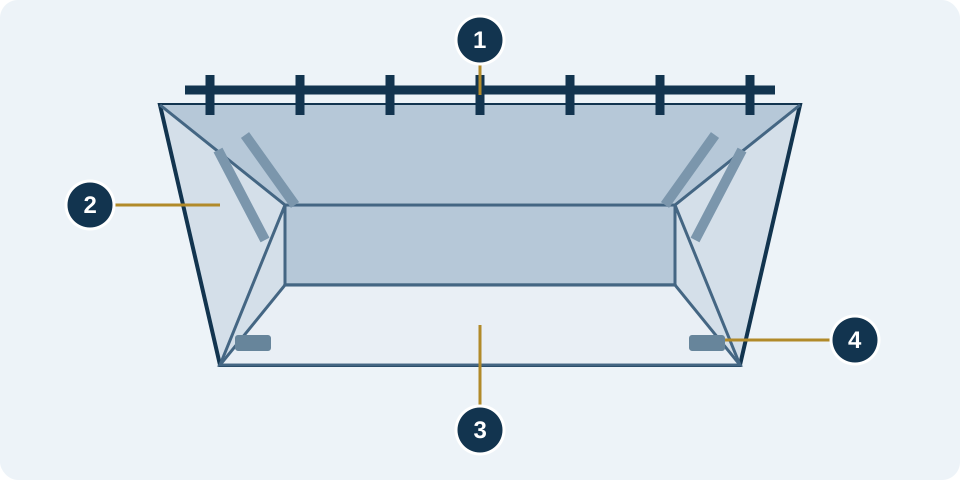
Open a numbered heading to inspect the highlighted area and its check note together. The drawing does not authorise access or entry.
Original cutaway, not to scale. Numbers identify inspection areas, not hull construction, work platforms or rescue arrangements. Inspect upper areas only through approved safe access/observation methods.
1Hatch underside & coaming
Check deposits that may fall back from hatch undersides and channels. Keep drainage clear.
This sequence requires product/specialist instructions. The flow below is for planning and verification only; no generic wet-cleaning procedure is provided.
01
Define the task
Record: Cargo declaration + written acceptance criteria
Stop / reassess: Do not select a method with unknown residue or standard.
How should I assess this?
Write down previous residue, intended cargo and required standard. Plan water, equipment, time and waste arrangements accordingly.
General educational photographs, not this cargo’s operation or an acceptance example. First photograph: VileGecko; second: ImagePerson, an industrial surface rather than a ship. CC BY-SA 4.0 · Photo sources and explanations
Residue and wash-water plan
Determine the cargo’s HME status and assess cleaning agents, discharge location and applicable MARPOL Annex V/local requirements. A supplier’s non-HME statement for a cleaner does not itself authorise discharge of the complete wash-water mixture. Arrange reception facilities when required and retain the applicable records.
Click a product name to open the manufacturer’s official SDS access page in a new tab. Search the exact product name and select the relevant country/jurisdiction and language where available. Match the current full SDS to the product on board. A product data sheet or Mini SDS does not replace the full SDS.
Review these products as alternatives; do not mix them. Manufacturer summaries below require the same product/formulation, compatible coating and company-approved work plan. Current full SDS/PDS takes precedence; a summary alone is not application approval. Reviewed 17 October 2026.
No previous cargo selected: preloading residue-cleaning products cannot yet be identified. Any documents below concern the intended cargo’s own preparation/after-discharge stages.
No ready-made chemical application package is supplied for this sequence. Exact residue, cargo, coating and reactivity information requires a company/manufacturer/specialist method.
Ticks are cleared when you leave this page. Print/save the completed checklist to your own record system. Ticking items does not grant permission or acceptance.
Check publication dates and later changes. Club guidance, manufacturer documents and binding schedules have different roles. This file is not a complete carriage manual.
Contact our team with the exact cargo description, quantity, ports and planned dates. Enquiries are assessed against the relevant vessel’s documents and operational suitability.



 01
01