
OBSERVE → ACT → RECHECK
Hold cleaning: visual field school
Assess previous-cargo residue together with next-cargo requirements. These drawings teach where to look; they are not vessel photographs, cleanliness grades or hold acceptance standards.
- 1Plan the work
- 2Remove dry residue
- 3Verify product and surface
- 4Apply under control
- 5Rinse and dry
- 6Inspect and record
Before work, complete risk assessment, required entry permits/atmosphere checks, safe access and waste planning under vessel procedures. Water washing is not suitable for every cargo; start with the cargo-specific guide.

1 · Cargo residue in corners and shadow areas
- What should I look for?
- Look behind framing, pipe guards and panel edges for retained material.
- What action follows?
- Remove residue using safe access and vessel work procedures, then inspect the same location again.
Record location, before/after photographs and removal.

2 · Loose rust and coating flakes
- What should I look for?
- Detached material may contaminate the next cargo. Colour variation alone does not establish looseness.
- What action follows?
- Remove loose material by a suitable method. Assess coating repairs against the applicable coating system.
Record cleaning and coating repair separately; a photograph alone is not acceptance evidence.

3 · Bilge residue and blockage
- What should I look for?
- Check the well, strainers and cover perimeter for solids or retained water.
- What action follows?
- Remove residue; check strainers and suction arrangements under ship procedures. Do not wash cement residue into the fixed bilge system.
Record cleaning, test results and verified line/valve arrangements.

4 · Retained water after rinsing
- What should I look for?
- Look for water, detergent foam or resettled residue on the tank top and in recesses. Appearance does not prove absence of salts.
- What action follows?
- Use suitable fresh-water rinsing, compliant wash-water management and drying, followed by reinspection. Select tests for the cargo requirements.
Record final rinse, dryness and required tests; verify next-cargo acceptance separately.
Product-specific example: CargoClean HD
Do not transfer this ratio to another brand or product. First verify current product instructions and SDS, coating compatibility, PPE and a small-area trial.
1 part product + 9 parts fresh water = 10% solution
Gold: product. Blue: fresh water. Example: 1 litre product and 9 litres water for 10 litres total; mixing order follows SDS/manufacturer instructions.
01 · ApplyBottom upwards with the specified foaming equipment.
02 · Monitor contactMaker example: 10–15 minutes; keep the surface wet with solution.
03 · RinseFinal fresh-water rinse after washing, followed by reinspection and required drying.
Source check for this visual supplement: 17 October 2026. This does not renew review dates for other page sections. West P&I · Cargo Hold Cleaning ↗
REAL PHOTO → LIMITED OBSERVATION → ON-SITE VERIFICATION
Inspect the photographs
Select a number or expand the headings below each photograph. These photographs show different places and times, not a before/after sequence. None is presented as our fleet.
A systematic look inside the hold
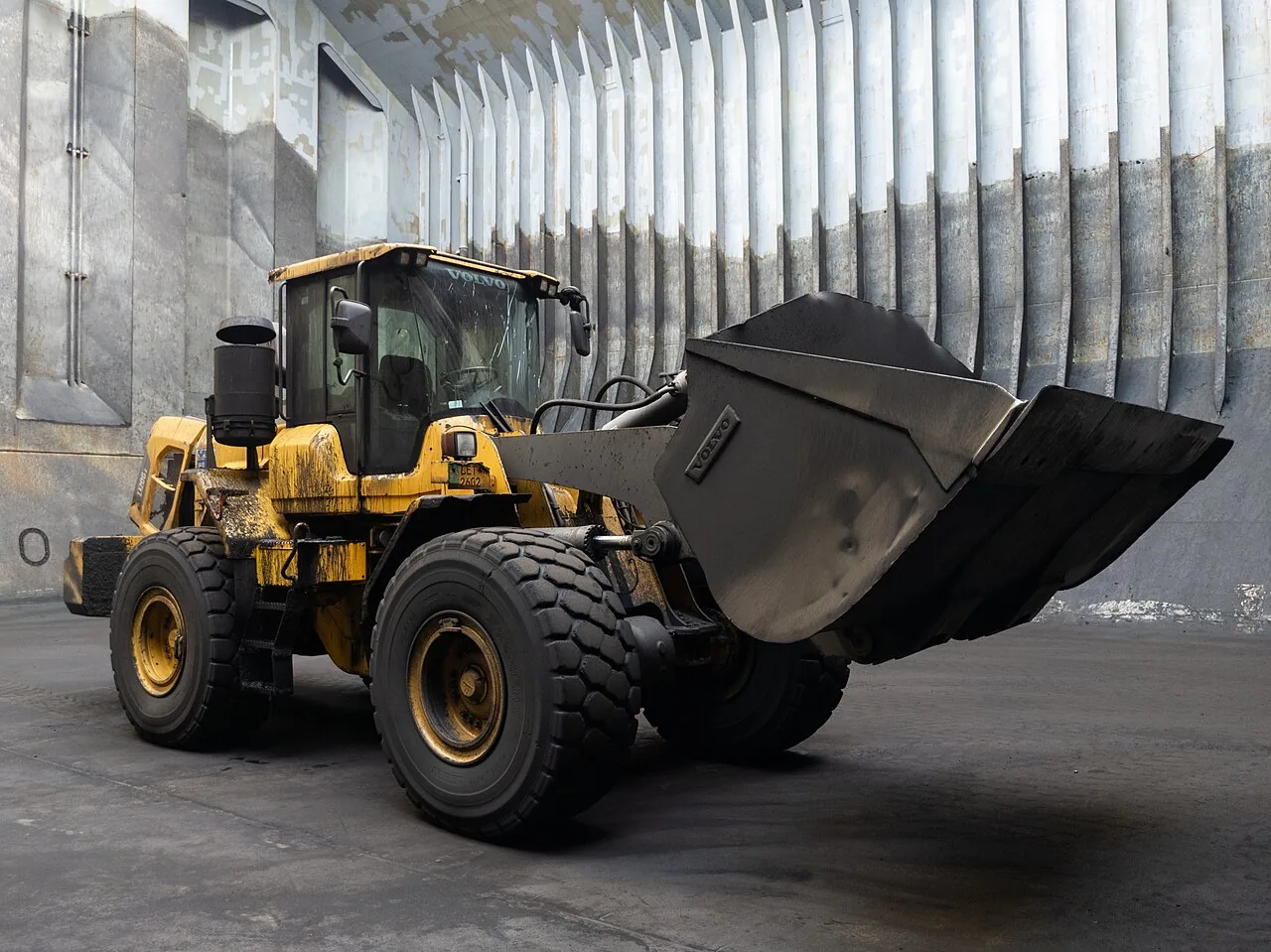
1 · Underdeck framing
- Observation and its limits
- Locate upper framing and connections. This photograph cannot establish cleanliness behind them.
- Next on-site check
- Inspect shadow surfaces separately with approved safe access; record location and findings.
2 · Frames and side surfaces
- Observation and its limits
- Light and dark areas are visible. Colour alone cannot identify residue, coating soundness or cleanliness grade.
- Next on-site check
- Distinguish residue, transferable stains and loose coating on site against next-cargo requirements.
3 · Tank top and obscured areas
- Observation and its limits
- The loader obscures part of the tank top; the visible area does not represent the entire hold.
- Next on-site check
- Plan segregation from moving equipment; recheck obscured areas when safe.
VileGecko · Photo source · CC BY-SA 4.0. Converted to WebP; photo not cropped. Numbers are a separate interface layer.
Discharge completion is not hold readiness
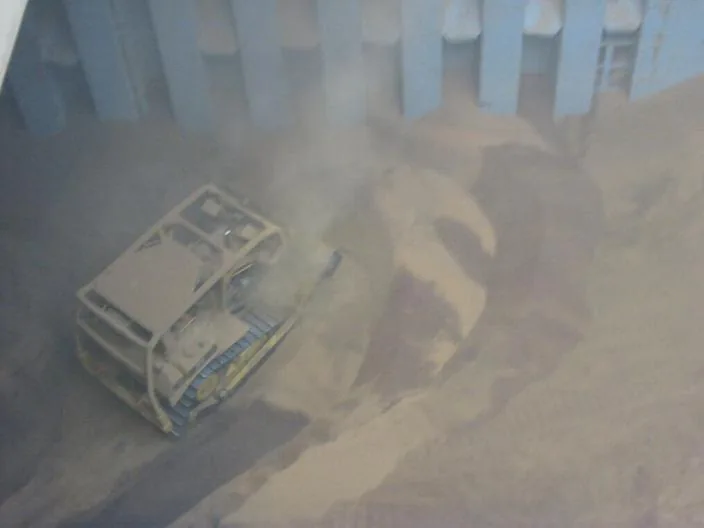
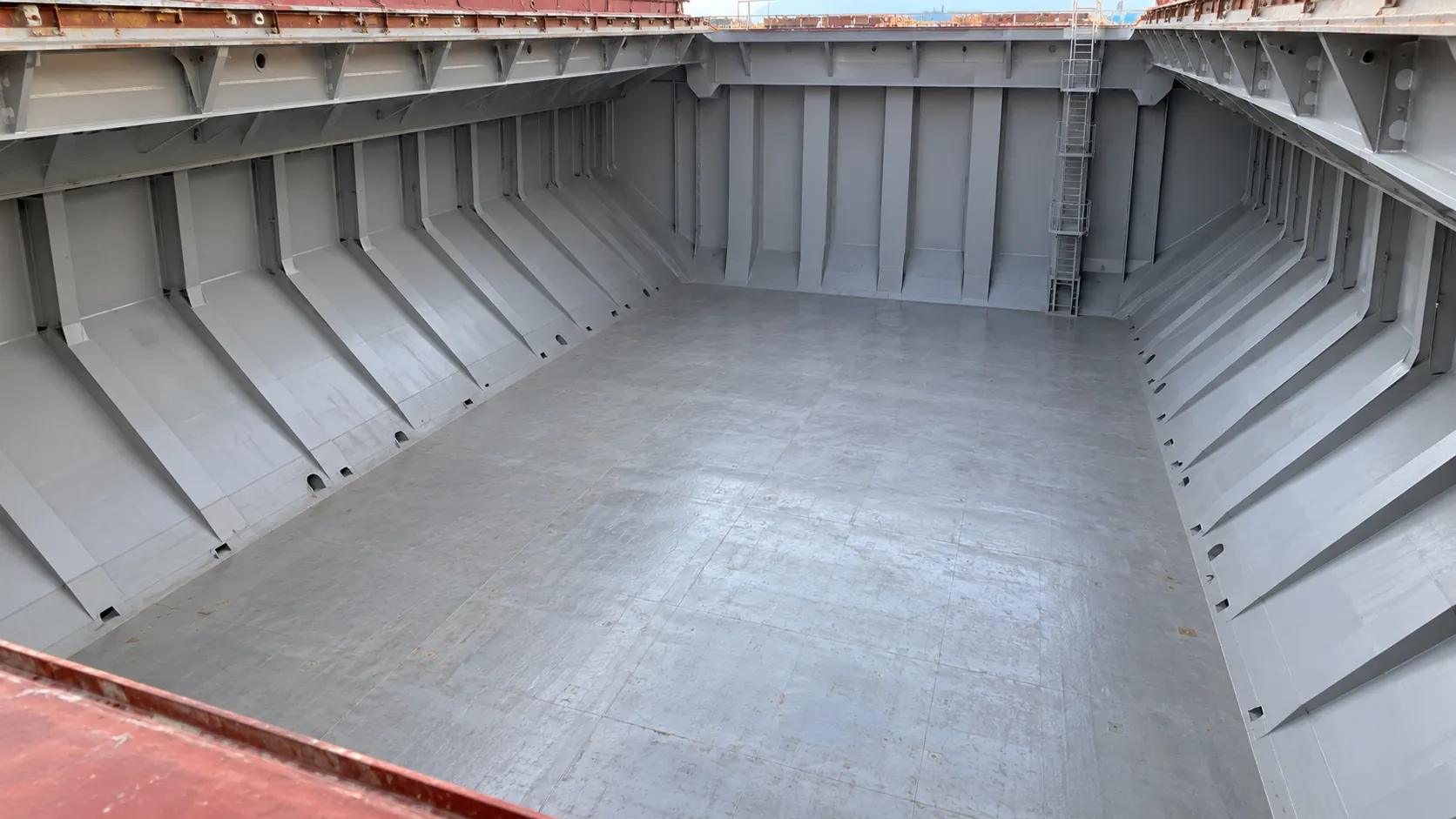
1 · Remaining bulk material
- Observation and its limits
- Cargo accumulation is visible. Quantity and hazards cannot be established from the photograph.
- Next on-site check
- Verify cargo declarations and applicable requirements before planning dry collection and waste handling.
2 · Mobile equipment work zone
- Observation and its limits
- Discharge equipment is inside the hold. The photograph does not establish safe personnel positions.
- Next on-site check
- Define equipment movement, communication and personnel segregation in the ship/terminal work plan.
3 · Sides and upper members
- Observation and its limits
- Dust and the viewing angle obscure some surfaces.
- Next on-site check
- Inspect shadow areas separately after discharge when visibility and safe access permit.
Danny Cornelissen / portpictures.nl · Photo source · Attribution. Converted to WebP; photo not cropped. Numbers are a separate interface layer.
Recognising peeling coating and corrosion
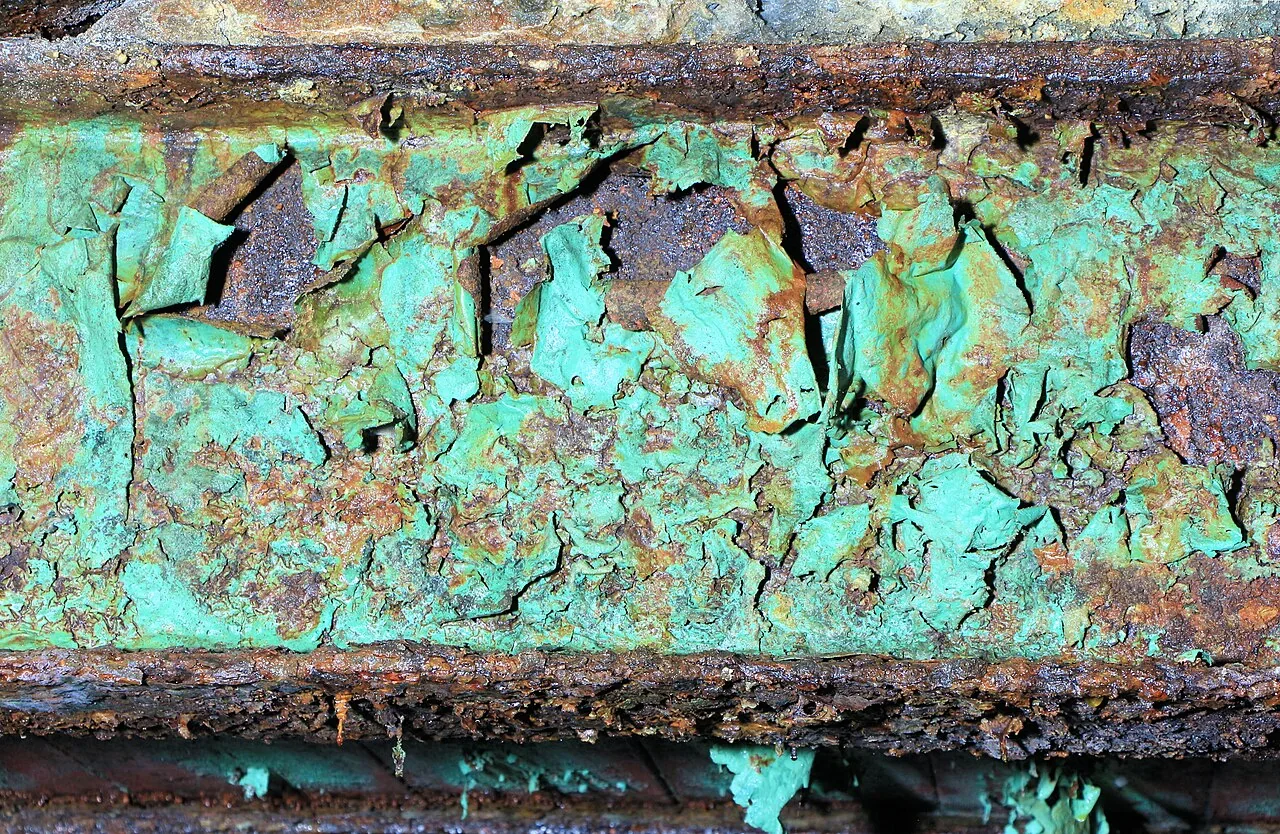
1 · Lifted coating edges
- Observation and its limits
- Coating edges visibly lift from the surface. This is not an adhesion-strength test.
- Next on-site check
- Assess loose material and repair boundaries on site; select preparation against the coating specification.
2 · Exposed surface
- Observation and its limits
- Uncoated, corroded areas are visible. Metal loss and structural adequacy cannot be established from a photograph.
- Next on-site check
- Refer the finding to the responsible technical personnel; plan required measurements under ship maintenance procedures.
3 · Connections and lower edges
- Observation and its limits
- Deterioration around connections illustrates an area requiring closer inspection.
- Next on-site check
- Record residue, loose rust and coating condition separately; do not conceal a cleaning problem with paint.
ImagePerson · Photo source · CC BY-SA 4.0. Converted to WebP; photo not cropped. Numbers are a separate interface layer.
Study real cleaning applications at the source
The manufacturer and P&I pages below provide further application photographs. These photographs are linked at source rather than copied here.
West P&I · Cargo Hold Cleaning ↗Wilhelmsen · Complete Cargo Hold Cleaning ↗Hold inspection reference points
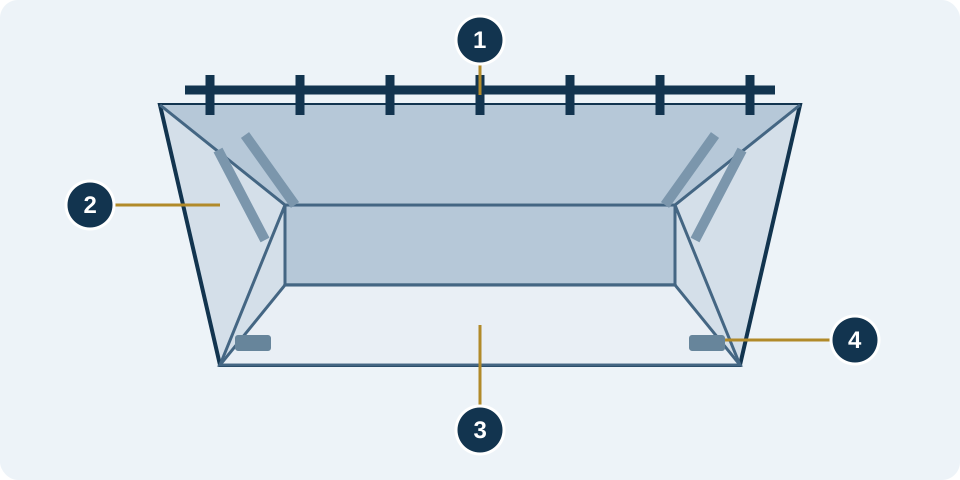
Underdeck and upper structures
Residue traps and difficult-to-reach areas.
Frames and side surfaces
Residues, coating defects and transferable staining.
Tank top
Residues, loose rust/paint and surface condition.
Bilge areas
Wells, covers and strainers.
Before choosing a cleaning method
Record the previous and next cargo, cargo declarations and applicable IMSBC schedule, charterer/shipper requirements, port restrictions, available time, water and equipment. Confirm the required hold cleanliness with the responsible parties; a generic cargo name alone does not determine the acceptance standard.
Original technical illustrations, not vessel photographs or acceptance standards. Numbers are explained below.
Visual field guide
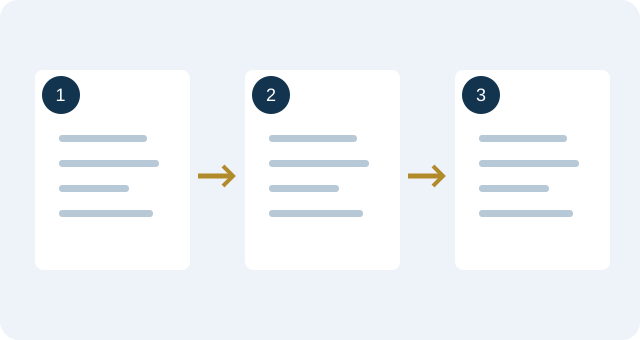
Plan the cargo transition
- 1 · Previous cargo: residues and hazards.
- 2 · Next cargo: cleanliness standard and shipper requirements.
- 3 · Work plan: resources, time, SMS and acceptance responsibility.
Record cargo pair, instructions and unresolved constraints.
Safe access and work preparation
Assess the hold and connected spaces under the vessel’s enclosed-space procedures. Confirm permits, isolation, ventilation, atmosphere testing, supervision, communications and rescue arrangements as applicable. Open hatch covers do not demonstrate a safe atmosphere. Use the current SMS and applicable flag requirements.
Before loading a staining or difficult-to-clean cargo
Inspect coating condition, bilges, strainers, access routes and residue traps. Check whether a protective barrier is suitable for the declared cargo, the coating and subsequent cleaning. Use one only when compatibility and the company’s instructions have been confirmed; do not treat every barrier product as interchangeable.

Original technical illustrations, not vessel photographs or acceptance standards. Numbers are explained below.
Visual field guide
Inspect residue traps
- 1 · Underdeck structures retaining cargo.
- 2 · Frames, ladders and guards: shadow areas.
- 3 · Tanktop and bilge accumulation.
Record location, defect and photo reference; plan safe access separately.
After discharge
Inspect and document remaining cargo and damage. Plan residue recovery, access, cleaning equipment, rinsing and drying around cargo compatibility and the next cargo’s requirements. Pay particular attention to underdeck structures, frames, ladders, bilge wells and inaccessible corners. Do not apply a universal water-washing sequence to every cargo.

Original technical illustrations, not vessel photographs or acceptance standards. Numbers are explained below.
Visual field guide
Remove residues, verify the result
- 1 · Collect residues using a cargo-appropriate method.
- 2 · Recheck against next-cargo criteria.
- Check loose paint/rust, odour, moisture and chemical residues separately.
Record before/after condition. Diagram or colour difference is not an acceptance standard.
Chemical selection: documents first
Identify the exact product and obtain its current SDS and technical instructions. Verify intended use, compatibility with the hold coating, next cargo and application equipment. Establish PPE, dilution, contact time, temperature limits and rinsing requirements from those documents and the approved plan. Never improvise chemical mixtures. No product or concentration is approved by this page.
Original technical illustrations, not vessel photographs or acceptance standards. Numbers are explained below.
Visual field guide
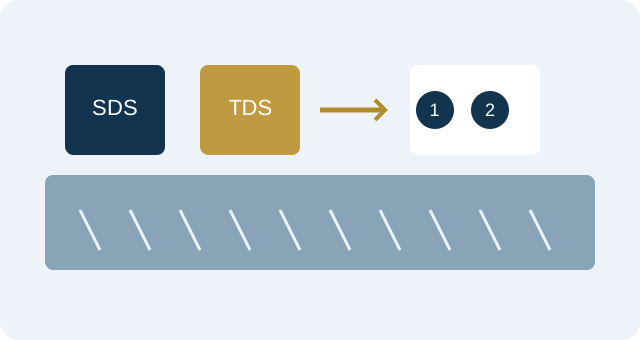
Read SDS and TDS together
- 1 · SDS: exact identity, PPE, exposure and first aid.
- 2 · TDS: dilution, contact time, temperature and rinsing.
- Verify coating/next-cargo compatibility; do not improvise mixtures.
Record product, document revisions and verified application conditions.
Which document answers which question?
SDS / MSDS
Hazards, PPE, exposure and emergency information.
TDS / PDS
Dilution, contact time, equipment and application conditions.
Vessel / cargo documents
Coating compatibility, cargo acceptance requirements and the SMS work plan.
Chemical references by brand and product
Manufacturer-sourced product references, not the company’s approved-product list or purchasing instructions. Use the actual product’s current SDS and TDS/PDS, the vessel’s coating specification and approved work plan. Similar-purpose products are not interchangeable at the same dose and must not be mixed.
Click a product name to open the manufacturer’s official SDS access page in a new tab. Search the exact product name and select the relevant country/jurisdiction and language where available. Match the current full SDS to the product on board. A product data sheet or Mini SDS does not replace the full SDS.
Wilhelmsen / Unitor
Unitor™ CargoClean HD ↗
Heavy-duty alkaline cleaner for oily/dirty residues from coal and petcoke.
The manufacturer identifies epoxy-coating use and excludes zinc coatings. Concentrate may react with aluminium, zinc, tin and their alloys. Confirm the exact coating system and current SDS.
Product to search for: CargoClean HD
Wilhelmsen / Unitor
Unitor™ Slip-Coat ↗
Water-soluble temporary barrier intended to reduce adhesion before dry cargo loading.
The manufacturer excludes use before water-containing cargoes, such as sulphur: moisture can degrade the barrier. This is not a cleaner. Check cargo moisture and coating compatibility.
Product to search for: Slip-Coat
Wilhelmsen / Unitor
Unitor™ CargoBarrier HD ↗
Water-resistant temporary barrier designed to reduce cargo adhesion to hold surfaces.
Not the same product as Slip-Coat. Follow the manufacturer’s clean/dry surface, coating and film-drying requirements. Plan subsequent barrier removal as well as cargo-residue cleaning.
Product to search for: CargoBarrier HD
Wilhelmsen / Unitor
Unitor™ CargoDescale ↗
Acid-based residue remover identified by the manufacturer for cement, clinker and limewash deposits.
Hydrochloric-acid based. It is not a direct substitute for an alkaline cleaner. Assess the current SDS, coating/metal compatibility, gas/aerosol risks and waste plan before use. No acid application recipe is provided here.
Product to search for: CargoDescale
Drew Marine
HOLDBRITE XF ↗
Heavy-duty multipurpose alkaline hold cleaner presented by the manufacturer for coal and greasy residues.
A similar purpose does not establish the same formulation or dosage as CargoClean HD. Independently verify coating compatibility and application conditions against its current PDS and SDS.
Product to search for: HOLDBRITE XF
Drew Marine
HOLDBRITE PRO HD ↗
Hold cleaner identified by the manufacturer for difficult oily residues such as green delayed petcoke.
The manufacturer describes a sodium-hypochlorite-free solution; that does not mean harmless. Verify the SDS/PDS, coating compatibility and application conditions. Do not copy another product’s dilution rate.
Product to search for: HOLDBRITE PRO HD
Residues and wash water
Determine the cargo’s HME status and assess cleaning agents, discharge location and applicable MARPOL Annex V/local requirements. A supplier’s non-HME statement for a cleaner does not itself authorise discharge of the complete wash-water mixture. Arrange reception facilities when required and retain the applicable records.

Original technical illustrations, not vessel photographs or acceptance standards. Numbers are explained below.
Visual field guide
Plan the wash-water route
- 1 · Source: cargo residue and cleaning agent.
- 2 · Collection: suitable route/tank, capacity and isolation.
- 3 · Disposal: HME status and applicable port/MARPOL requirements.
Record decision, quantity and receipt/log references. Collection vessels are schematic; no discharge permission is implied.
Final inspection and handover
Verify the agreed cleanliness standard, residues, transferable staining, loose rust/paint, odour, dryness and infestation criteria where applicable. Check bilges, hatch covers and structures. Record photographs, defects and corrective actions; obtain the required acceptance before loading. A completed checklist alone is not survey approval.

Original technical illustrations, not vessel photographs or acceptance standards. Numbers are explained below.
Visual field guide
Checking and acceptance are separate
- 1 · Inspection: criteria, defects and corrections.
- 2 · Evidence: dated/location-identified photos and records.
- Verify required survey/acceptance and loading authority separately.
Record checker, result, open items and acceptance reference.
Preparation checklist
3 pages · 24 checks · Record fields for printing and completion. A general reference form, not a replacement for a company-approved SMS form.
Download checklist (PDF) ↓Practical questions for Masters
Which chemical should I choose?
First identify the residue, next cargo and coating system. Product cards are starting references. Do not apply a product until its current SDS and TDS/PDS, the coating maker’s limitations and the approved work plan agree.
Are SDS and TDS/PDS the same?
No. The SDS addresses hazards, exposure, PPE, storage and emergency information. The TDS/PDS describes technical application conditions. Review both; one does not replace the other.
Where do I find dilution and contact time?
Use the current technical instructions for the exact product and formulation on board. Do not copy values from another formulation or brand. If unclear, obtain clarification from the manufacturer and company rather than estimating from this guide.
Can grain follow coal or petcoke?
Reduced visible black staining is not sufficient evidence by itself. Assess the next cargo’s agreed cleanliness and acceptance criteria together with residues/staining, odour, coating and other inspection findings. Do not assume readiness before required acceptance.
Should I use acid for cement or clinker residues?
Acid is not appropriate for every deposit. Before considering an acid-based product, assess the residue, coating/metal compatibility, reactions with existing materials, exposure and waste requirements. Do not decide on acid application without manufacturer instructions and company assessment.
Why check fresh-water rinsing and dryness?
Assess salt, detergent residue and moisture against the next cargo and product requirements. The cargo schedule, product instructions and acceptance criteria determine rinsing and drying needs. Do not use one washing or dryness decision for every cargo.
Does a non-HME cleaner allow wash water discharge?
That statement alone is insufficient. Assess the cargo-residue classification, mixture, location and applicable MARPOL Annex V/local rules together. Do not discharge until the conditions are verified; use reception facilities where required.
What if the hold is rejected or requirements are unclear?
Record the rejection/open item in writing and photographs, notify the responsible company team, and plan corrective action and reinspection. Completing a record form does not replace survey acceptance. Do not progress until the relevant conditions are verified.
Product and vessel documents
To prepare company-specific instructions, collect the exact cleaning products and their SDS/TDS, hold coating specifications and existing SMS procedures.